Are You Running on Empty? How to Break the Burnout Cycle & Reclaim Your Life
Do you feel like you’re constantly juggling too many tasks, putting out fires, and meeting everyone’s needs but your own? If the words “I’m okay, I’ll handle it” are your go-to responses, you might be caught in a dangerous cycle of burnout that’s silently draining your energy, joy, and sense of self.

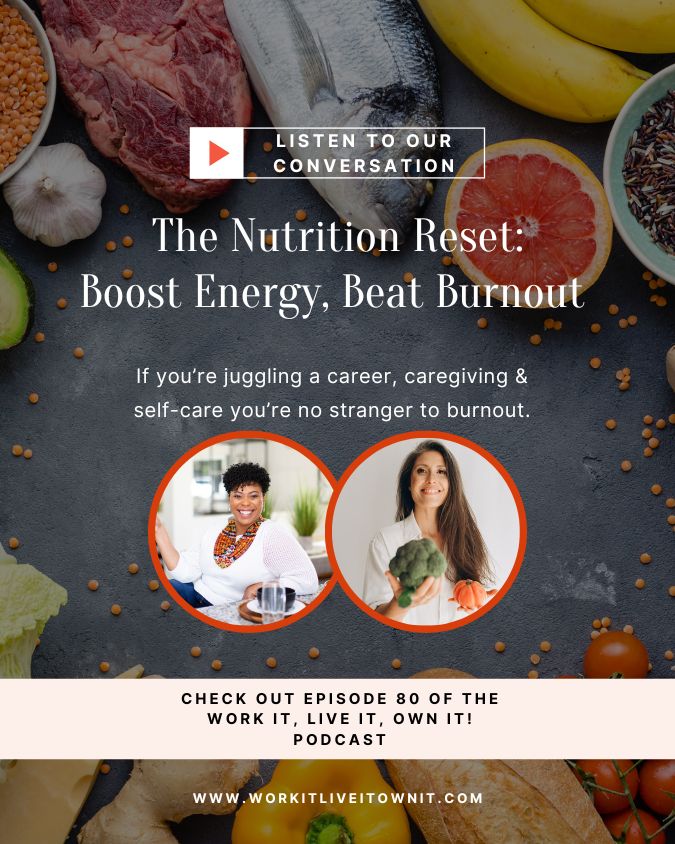
In our latest podcast episode, “Break the Burnout Cycle: Set Boundaries & Reclaim Your Time,” we delve into why many of us, especially self-reliant women, often wear exhaustion as a badge of honor and how to break free. This isn’t about radical, overnight change: it’s about making small, intentional choices that lead to profound transformation.
Listen to the Full Episode Below
The Three Hidden Energy Drainers
Burnout doesn’t happen overnight. It’s a slow leak, often caused by three hidden energy drainers that we mistake for strengths:
1. Fear of Confrontation: You avoid difficult conversations to keep the peace, but the unspoken needs and resentment build up, creating a heavy emotional weight. Every time you swallow your truth, you’re telling yourself that your needs don’t matter.
2. Misguided Optimism: You hope that if you just keep pushing, someone will notice and step in to help. But this magical thinking often leads to disappointment and loneliness, leaving you feeling invisible and unappreciated.
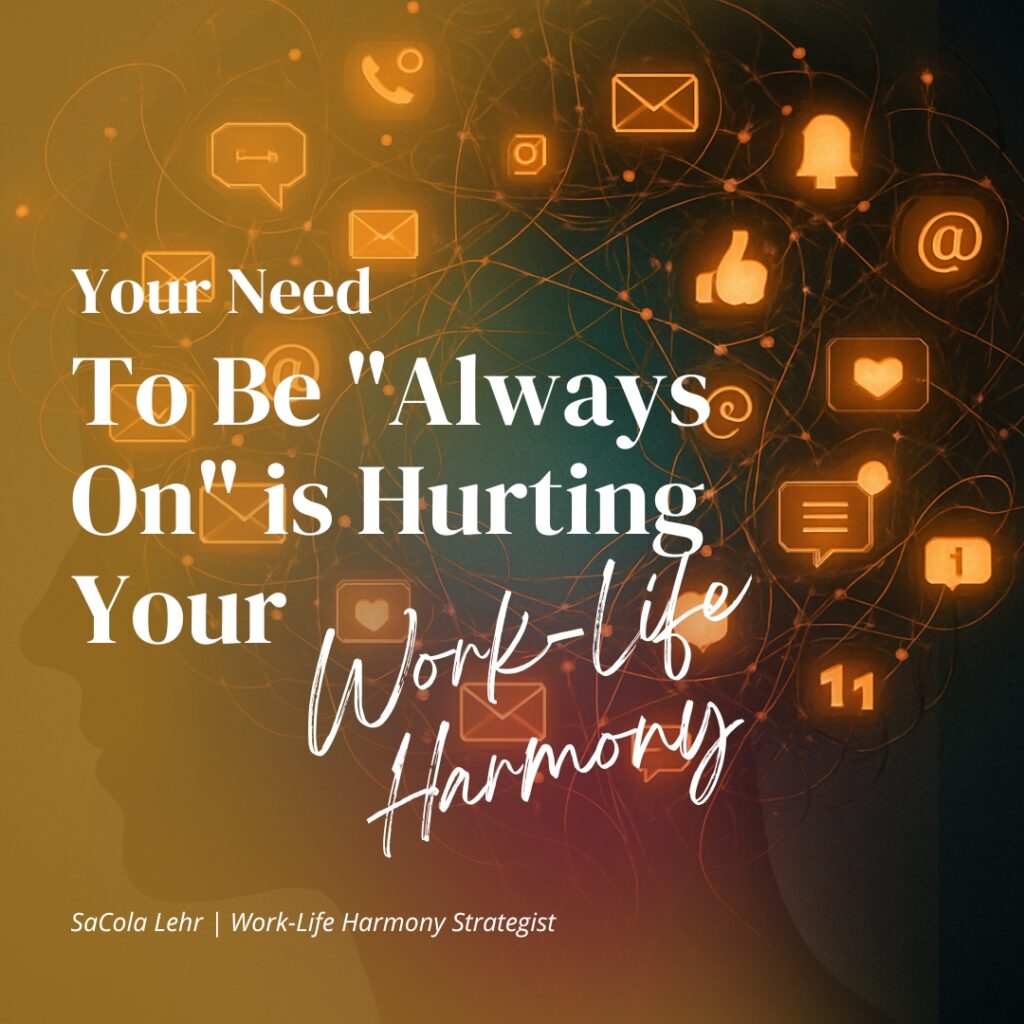
3. Persistent Availability: In a hyper-connected world, being “always on” has become the norm. You answer emails at all hours, never miss a call, and make yourself constantly available to everyone. This leaves no room for mental rest, leading to decision fatigue and chronic exhaustion.
“Sucking it up and going alone isn’t a badge of honor. It’s a recipe for exhaustion, resentment, and burnout.”
From Surviving to Thriving: 4 Steps to Reclaim Your Power
Breaking the cycle of burnout isn’t about becoming a different person. It’s about making space for yourself, one small choice at a time. Here are four actionable steps you can take today to start reclaiming your energy and wellbeing:
1. Get Honest with Yourself Through Journaling
You can’t change what you don’t acknowledge. Dedicate just 10-15 minutes each day to journaling. Write down where you feel stretched thin, what conversations you’re avoiding, and where you’re overextending yourself. This isn’t about judgment; it’s about gaining clarity. Once you see the patterns on paper, you can start to address them.
2. Speak Your Truth to Someone You Trust
Burnout thrives in isolation. Choose one person—a partner, a friend, a therapist—and share your struggles. Voicing your feelings breaks the silence and is often the first step toward getting the support you need. You don’t need to have all the answers; you just need to be heard.
3. Set One Small, Manageable Boundary
Boundaries aren’t about building walls; they’re about protecting your energy. Start small. Pick one area of your life—work, home, or personal time—and set one clear boundary.
•Work: “I will not check emails after 7 PM.”
•Home: “I need 30 minutes of uninterrupted time for myself each evening.”
•Personal: “I will turn my phone off for one hour before bed.”
Communicate your boundary clearly, kindly, and firmly. Remember, you’re not responsible for other people’s reactions to your boundaries.
4. Protect Your Energy with Intention
Your energy is your most valuable resource. Protect it fiercely. This means scheduling non-negotiable time for rest and self-care, just as you would a critical meeting. It means saying “no” to things that drain you and “yes” to things that fill you up.
“Thriving means setting loving boundaries that protect your wellbeing. It means speaking up for your needs with confidence and kindness.”
Your Journey to a More Empowered Life Starts Now
Imagine what your life could look like six months from now if you started implementing these changes today. Picture yourself leaving work at a reasonable hour, feeling present and engaged with your family, and having the energy to pursue your own interests.
This journey is a marathon, not a sprint. Be patient with yourself, celebrate the small wins, and remember that you are worthy of a life where you feel energized, supported, and truly alive.
Ready to dive deeper? Listen to the full podcast episode, “85: Break the Burnout Cycle: Set Boundaries & Find Your Power,” for more in-depth strategies, personal stories, and a guided path to reclaiming your life.